
| AMI* | 1 person | 2 person | 3 person | 4 person | 5 person | 6 person | 7 person | 8 person |
|---|---|---|---|---|---|---|---|---|
| 30% AMI for PBRA Units | $27,900 / year | $31,900 / year | $35,900 / year | $39,850 / year | $43,050 / year | $46,250 / year | $49,450 / year | $52,650 / year |
| 50% AMI for LIHTC Units | $46,500 / year | $53,150 / year | $59,800 / year | $66,400 / year | $71,750 / year | $77,050 / year | $82,350 / year | $87,650 / year |
| 50% AMI for PBRA Units | $46,500 / year | $53,150 / year | $59,800 / year | $66,400 / year | $71,750 / year | $77,050 / year | $82,350 / year | $87,650 / year |
| 60% AMI for LIHTC Units | $55,800 / year | $63,780 / year | $71,760 / year | $79,680 / year | $86,100 / year | $92,460 / year | $98,820 / year | $105,180 / year |
| 80% AMI for PBRA Units | $74,400 / year | $85,000 / year | $95,650 / year | $106,250 / year | $114,750 / year | $123,250 / year | $131,750 / year | $140,250 / year |
*AMI: Area Median Income. Renters qualify for different housing programs if their income is below a specified percentage of AMI.
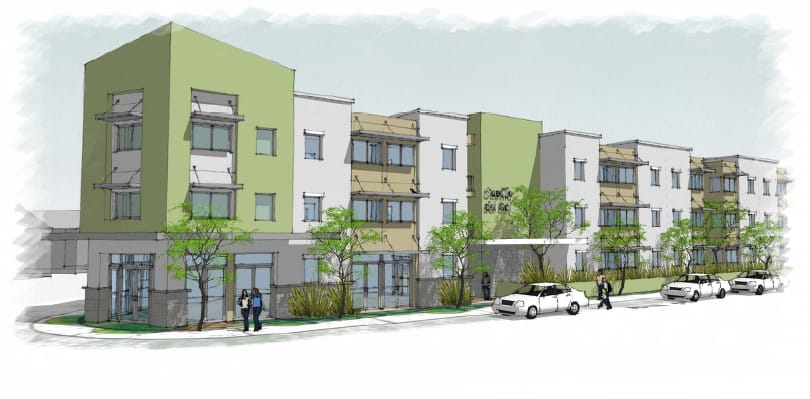
The Housing Authority of the City of San Buenaventura (Housing Authority) and BRIDGE Housing Corporation (BRIDGE) are co-developers in the redevelopment of Westview Village, an existing 180-unit public housing community to be redeveloped as a new construction project providing two-hundred eighty-six affordable rental apartments and thirty-four for sale homes in Ventura, California.
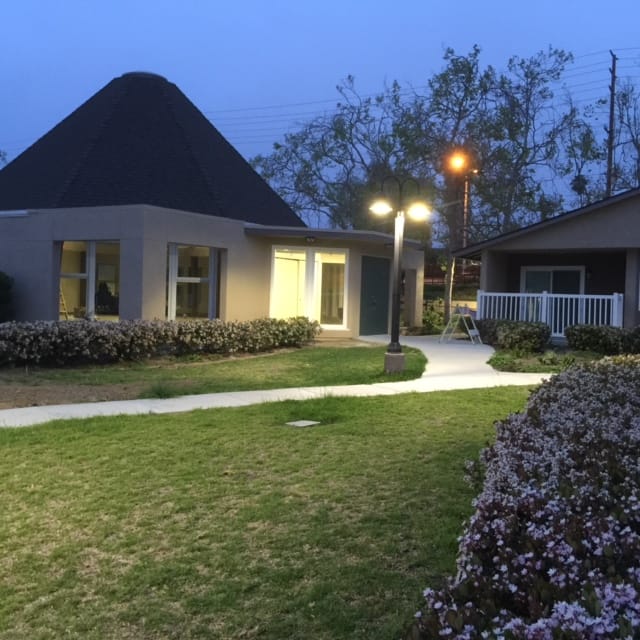
Westview Village is the first public housing property to be constructed in the City of Ventura. The first one-hundred units were constructed in 1952 and an additional 80 units were constructed in 1961. Originally, the property consisted of 48 residential buildings, 1 community center, 1 file storage room, and the Housing Authority office. The total property is approximately 20.6-acres.
The redevelopment of Westview Village (“Villages at Westview”) is an effort to preserve housing affordability, expand the opportunities for housing assistance to other qualifying low-income households, and to contribute to other neighborhood improvement measures including new infrastructure investments and community facilities for a service-enriched environment.